
Articles
01 Sep 2026
Articles
Published
15 January 2026
Last Updated
16 September 2026
5 min read
We can actually help shape projects ourselves by getting involved early to optimise the carbon footprint. That is why DS Stålkonstruktion visits customers and shares knowledge about carbon-optimised steel solutions, so that requirements are set at a stage when we can genuinely make a difference.
Carbon footprint requirements are becoming increasingly important in major projects. Most tenders now include fixed limits for emissions from materials, and this naturally also applies to steel. However, the later these requirements reach us as the supplier, the more difficult it becomes to find a solution that both meets the requirements and makes practical sense. Customers therefore need to know what to ask for and when.
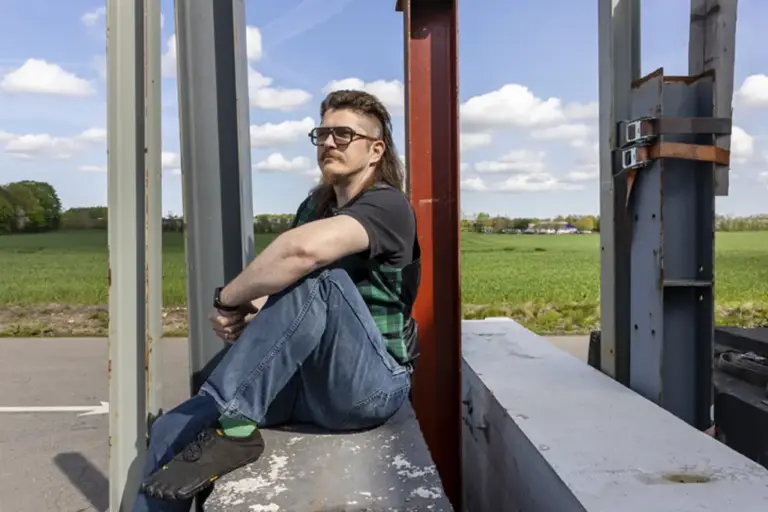
“If we are not involved until late in the process, we may struggle to help the customer meet specific climate requirements without affecting the schedule and costs,” explains Nicolaj Andersen Hagengaard, QHSE specialist at DS Stålkonstruktion.
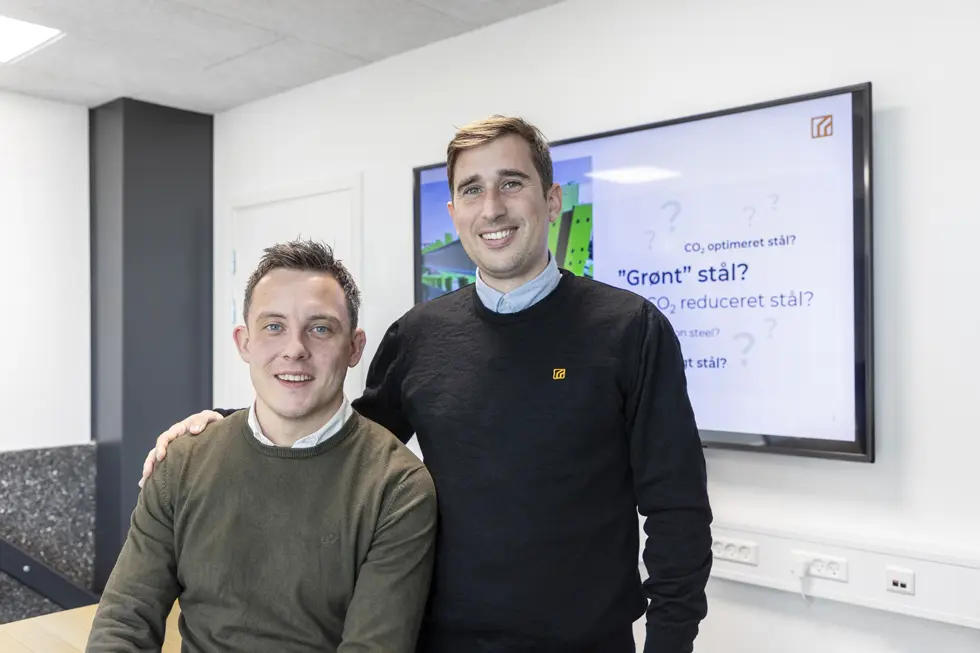
QHSE, in collaboration with the special structures department at DS Stålkonstruktion, has therefore developed a presentation that makes it much clearer to customers what takes time, what can be adapted and which options are lost if requirements are set too late. Together with a representative from the special structures department, Nicolaj delivers the presentation to major customers, consultants and business partners to provide a clear picture of how DS Stålkonstruktion can contribute if it is involved in good time.
“It is about telling the industry how to set the requirements, but also when they need to be set,” says Nicolaj.
“The more knowledge customers have, the better they understand when and how to set requirements for us.”
That is why “education” has now become part of DS Stålkonstruktion’s communication strategy. It is intended both to demystify the CO2 requirements and to give customers a clearer picture of what can actually be achieved with steel in practice. Many believe that the solution is available from stock and that an EPD is simply a document they can consult as needed. But in practice, it is rarely that straightforward. Each individual solution depends on the choice of profile, delivery time, design requirements and which types of steel can actually be sourced at the time.
“Perhaps customers think they can simply specify a requirement and that an EPD at precisely that level will be readily available. But the requirement may need to be specified earlier so that we can prepare a project-specific EPD and thereby meet the requirements.”
– Nicolaj.
When customers gain an understanding of the options, it changes the dynamics of the collaboration. It becomes clear that much of the solution lies in the earliest decisions.
“The earlier we are involved in the procurement phase, the greater our chance of influencing it,” says Nicolaj. “The earlier we do this, and the earlier we reach an agreement, the greater the chance that we can purchase steel that meets the requirements.”
Procurement in particular is a time-critical factor. Many product types are manufactured in batches several months apart, so both price and availability depend on when we are informed of the requirements. The options are completely different if the requirements are clear before the project is finalised. This is where education can be the measure that makes the difference.
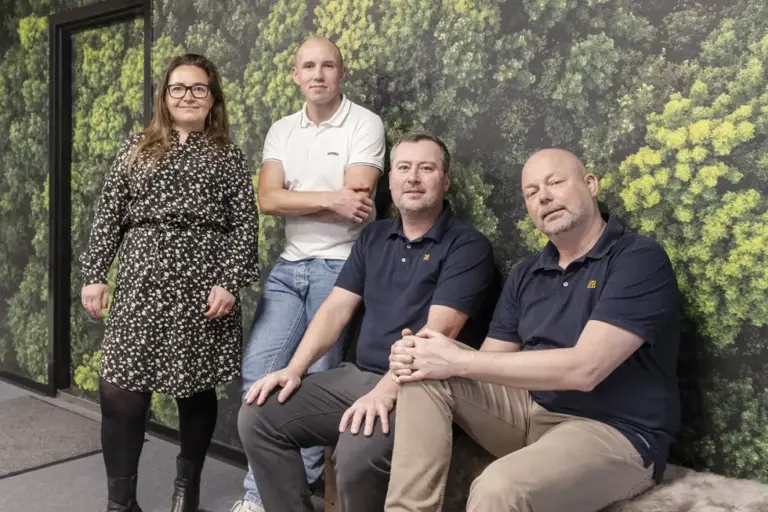
In recent months, Nicolaj, project manager Morten Riise Dam Nielsen and department head Simon Stensøe Sterndorff have therefore stepped up their visits to customers and consultants. In addition, Nicolaj and Morten gave a presentation at Danish Steel Day on 13 November to highlight the challenges facing the industry.
The response to the presentations has been clear, Nicolaj explains.
“Several people have at least come back with specific questions,” he says.
And that is the most important start: Opening the door to very early involvement becoming the norm rather than the exception.
“It’s simply a win-win,” says Nicolaj. “Both for the customer and for us.”
About the Author
With a background as a trained journalist and marketing management graduate, Oline makes a strong contribution to digital communication across DS Gruppen. In addition, through her engaging writing style, she communicates both internally and externally – whether it is employee profiles, project news, organizational updates, or stories about our sponsorships. Oline also has prior experience with magazine articles, social media content, video, advertorials, and other areas within journalism and communication.
Articles
01 Sep 2026
Articles
06 Aug 2026
Articles
13 Jun 2026
Articles
12 Jun 2026
Articles
11 Jun 2026