
Articles
01 Sep 2026
Articles
Published
15 December 2025
Last Updated
16 September 2026
min read
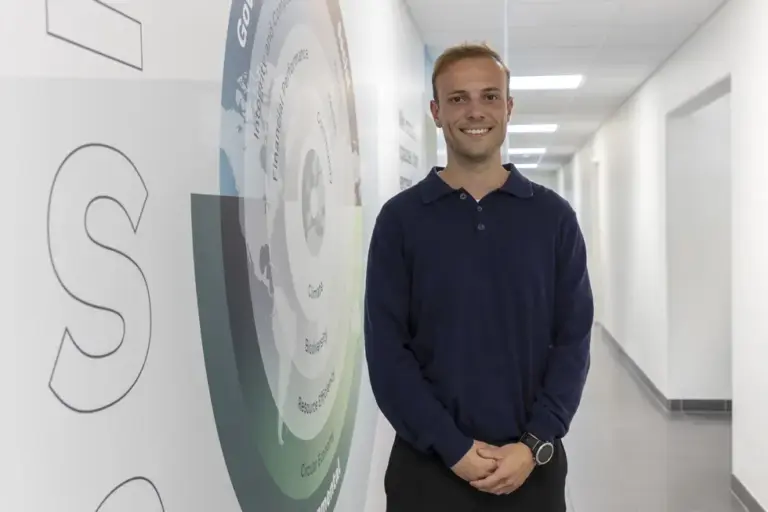
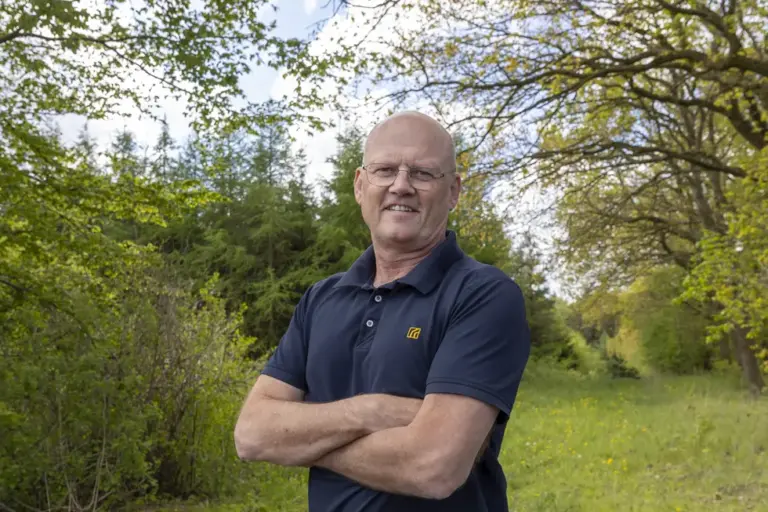
Vahid Kasumovic, who is the foreman in Hall 2 at DS Elcobyg, is to be trained in the craft that ‘Concrete Dad’ Bjarne K. Andersen has ‘developed’ for young FGU students preparing to enter the labour market.
The concept of “social inheritance” is often associated with the negative influence that parents can have on their children’s lifestyles, patterns and choice of career or education. At DS Elcobyg, however, we can talk about a positive social legacy. Here, Vahid Kasumovic will “inherit” Bjarne K. Andersen’s extraordinary commitment to young people’s wellbeing (‘Concrete Dad…’ in EKKO 0124).
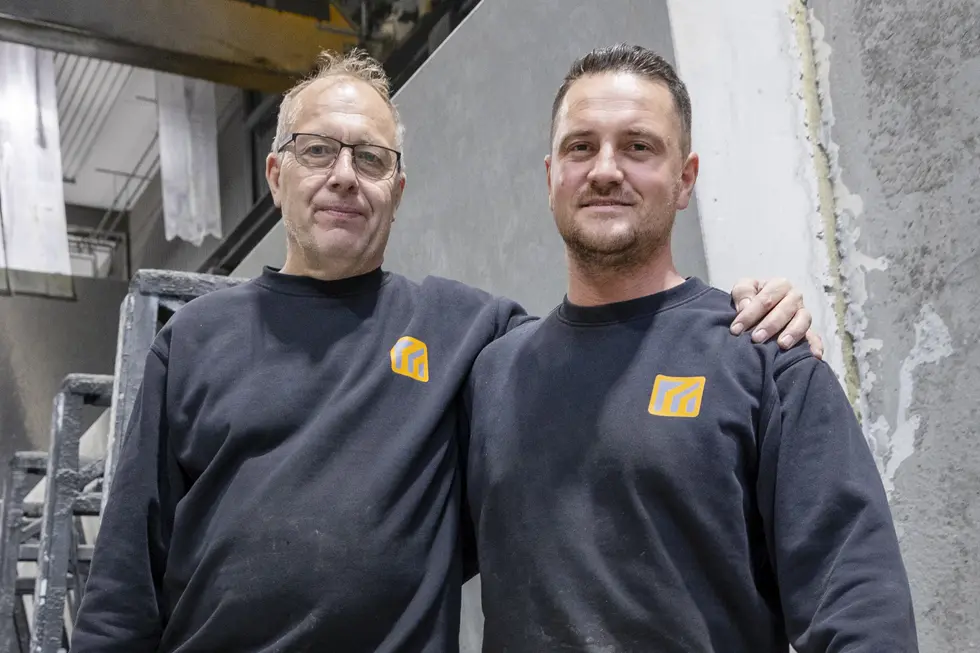
“Vahid is a responsible foreman who takes the wellbeing of our young colleagues very seriously. I am both pleased and proud that he wants to follow in my footsteps and dedicate himself to helping young people make a good start to adult life in the workplace. We work extremely well together to support the young people and share many of the same values,” says Bjarne.
Vahid Kasumovic is the foreman in Hall 2. He has worked at DS Elcobyg for 11 years. Vahid started in Hall 3 and has since tried most of the roles in production, but five years ago he was offered the position of foreman in Hall 2.
And there is nothing better than seeing a young person whom no one really believed in suddenly succeed. It makes the effort worthwhile.
– Vahid Kasumovic
“I was actually working as a painter and decorator, but I had not completed the main part of my training and had grown a little tired of painting. When Fårup Beton, where my older brother worked, needed staff, I was given the opportunity to start there. I was there for seven years before my brother and I agreed to give DS Elcobyg a try. It was Bjarne who hired us both. We had our interviews on Friday and were due to start as early as Monday, and we have been here ever since. It is a really good workplace, and we have never regretted it,” Vahid explains.
Vahid’s brother is called Muharem Kasumovic, but he is better known as ‘Muggi’. He works as a demoulder on the night shift in Hall 5.
“We are very pleased to employ young people. Many of those who come here have had a difficult start in the education system or labour market. But they need to know that they are needed too. And they are capable! When they are given the opportunity, they seize it,” says Vahid.
“Some of them need a little push. I usually say: If you want a job, you can get one. It is up to you. We would like to help you.”
For Vahid, seeing the young people succeed is immensely rewarding.
“I think DS Gruppen is a good role model for other companies. We are particularly good at helping young people and focusing on their wellbeing.”
– Vahid Kasumovic
“It is great when you can tell that they are on the right track and have seized the opportunity. When they realise, ‘Oh, I actually can do this,’ it all becomes worthwhile. Of course, some students learn more quickly than others, but with patience and dialogue, they grow into the role. There are actually many talented young people from FGU. They are capable, but they may have their way a little, and we are ready to help them get going again.”
DS Elcobyg currently employs three young people from FGU. Some have moved on to other jobs, which Vahid sees as entirely positive.
“For example, we had one young man who moved to Frederikshavn because he wanted to try something different. He now works at a builders’ merchant and drives a forklift truck. It is great that we can also be a springboard to new opportunities for young people,” says Vahid.
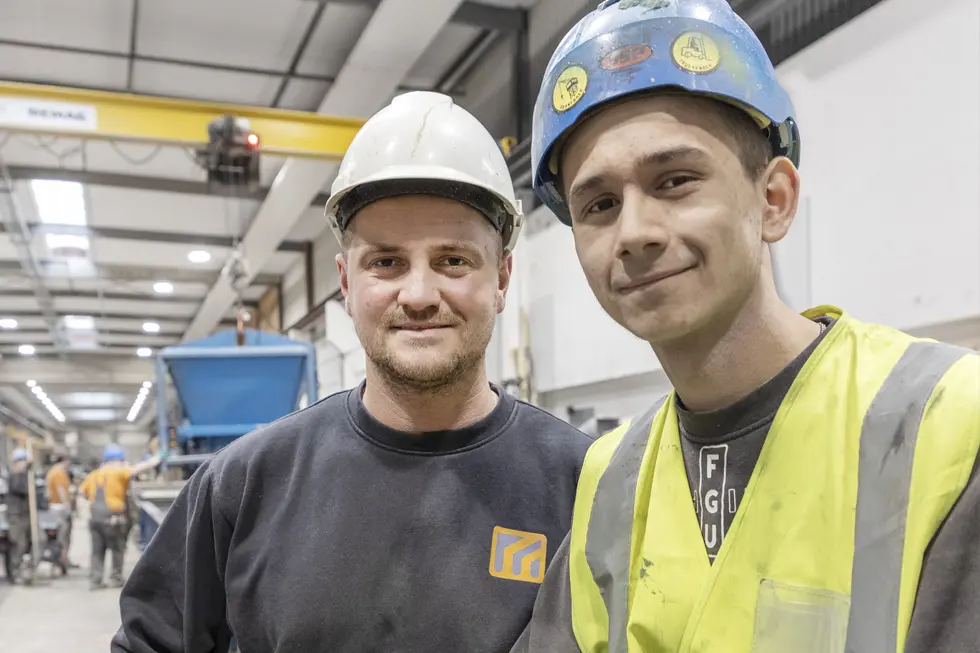
“I think DS Gruppen is a good role model for other companies. We are particularly good at helping young people and focusing on their wellbeing. It is great that we can give them a chance and help steer them in the right direction. That is something we do well at DS Elcobyg and throughout DS Gruppen. I can also see that DS Stålkonstruktion is taking a focused approach to working with apprentices. That is something we can be proud of,” says Vahid.
DS Gruppen supports headspace, and through this, Vahid was offered a course together with several colleagues from across the group.
“We attended a headspace course in Hobro, where we talked about working with young people. It was a really enjoyable and informative course. I encourage our young people to talk to us about anything, but it is also reassuring to know that we can refer them to headspace if there is something they cannot discuss with us or with people in their own network. After all, many young people are struggling with their wellbeing today.”
“I work closely with Bjarne, and in time, I am expected to take over his role, but for now we work as a team. We share an office and speak every day, particularly about the young people, because new issues arise all the time. We support each other and find solutions together.”
“Bjarne is extremely capable and has a wealth of experience. He has been here for 40 years, so there is a great deal I can learn from him. He is good at giving people a chance. For example, we have many women in the steel reinforcement department, and I actually think we are the precast concrete company in Denmark with the most women working in production. When I speak to colleagues at other companies, they have hardly any women, whereas we have around 12. We also have people of many different nationalities, from places such as Africa, Poland, Romania, Belarus and Syria. It creates a distinctive workplace culture that I am proud to be part of. I myself come from Bosnia.”
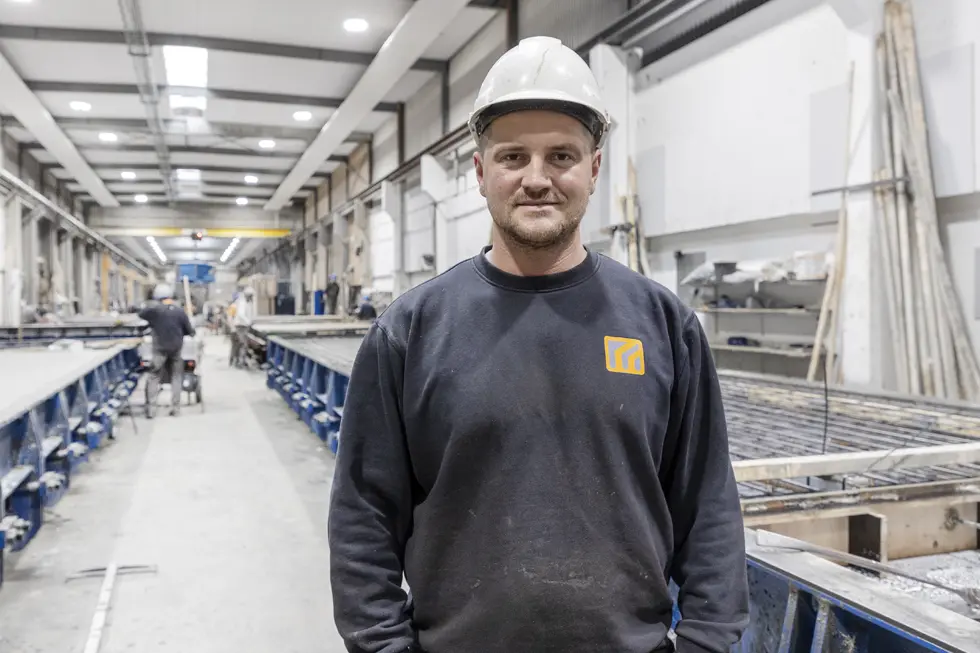
Vahid is a Bosnian Muslim, and he was born in the town of Gradiška in Bosnia, close to the Croatian border.
In the early 1990s, the former Yugoslavia collapsed, and a series of bloody wars spread from Slovenia and Croatia to Bosnia and later Kosovo. Following Tito’s death and the fall of the Eastern Bloc, the communist state disintegrated, and nationalist tensions, particularly between Serbs, Croats and Bosniaks, escalated rapidly. In Bosnia, where several ethnic groups had previously lived side by side, the conflict developed from 1992 into a brutal war involving ethnic cleansing, massacres and systematic violence against civilians.
Under Prime Minister Poul Nyrup Rasmussen, Denmark deployed around 8,000 soldiers to the UN peacekeeping force UNPROFOR from 1992 onwards. However, for a long time the international forces failed to stop the violence, and hundreds of thousands of people were forced to flee their homes.
In 1994, when he was only four years old, Vahid fled Gradiška with his parents and three older siblings. At the time, the town was under Serbian control and marked by a military presence, insecurity and growing pressure on the Muslim population. Like many other Bosnian Muslims, the family left their home for fear of persecution – with no certainty about what the future held.
“I do not remember very much, but I have been told that my father decided to take our family to safety, away from the atrocities taking place in our country. It was a difficult time, and we did not know where to go, but we had the option of ‘jumping’ on one of the buses travelling to Germany, Sweden or Denmark. Those were the countries accepting refugees. Today, the whole family is pleased that my father happened to choose the bus to Denmark,” Vahid explains.
For the first three months in Denmark, Vahid and his family lived at an asylum centre in Copenhagen, after which they were transferred to a centre in Herning. They later spent around a year at the asylum centre in Hald Ege before being given the opportunity to settle in the local community. The family chose to settle in Hobro, where they all still live.
”When we arrived in Denmark, we were very relieved and happy. We were treated well, were quickly granted asylum, and the whole family is still happy to live in Hobro. Today, I am 35 years old and live in Hobro with my partner Elma, who is also a Bosnian refugee. She came to Denmark in 1991. We have two boys, Ismail, aged 15, and Ilhan, aged 10. We all feel that Hobro has become our home,” says Vahid.
I enjoy my work at DS Elcobyg – both as a foreman and as a mentor for the young FGU students.
– Vahid Kusumovic
In July 1995, Bosnian Serb forces seized Srebrenica, a UN-declared safe zone in eastern Bosnia. In the following days, more than 8,000 Bosniak boys and men were separated from women and children, systematically executed and buried in mass graves, while tens of thousands of people, mainly women, children and the elderly, were forced from the area. International courts have since ruled that the killings and expulsions constituted genocide and the most serious massacre in Europe since the Second World War.
”We have bought and restored our old house in Gradiška, and we try to go there every other year so that our children can learn about the language and their Bosnian heritage. We speak openly about the atrocities that have taken place in our homeland, and 11 July – the anniversary of the Srebrenica genocide – is an important day of remembrance for us, which we commemorate solemnly. Today, former friends and enemies live side by side in the town, but a dark shadow still hangs over the place. The remains of missing people are still being found, and just three years ago, the remains of my partner’s grandfather were discovered and identified using DNA.”
The war in the Balkans gradually subsided during the second half of the 1990s. In Bosnia, the fighting formally ended with the Dayton Peace Agreement in 1995, which established the country’s current state structure under the name Bosnia and Herzegovina.
Although Vahid’s story begins with war and his flight from Bosnia, today it is primarily the story of a life that has found its footing in Denmark. From his first years in asylum centres to a secure family life in Hobro, he has built a daily life with work, colleagues and a sense of community.
“I have been in Denmark for 31 years, and I am very happy here. I have been granted permanent residency. I just need to pass the citizenship test before I can become a citizen, but it is very difficult – I need to pull myself together and get it done. My girlfriend has passed it, and both she and Bjarne have told me that it is not something you can pass without making an effort. Bjarne has taken it too,” says Vahid with a smile.
“I enjoy my work at DS Elcobyg – both as a workshop foreman and as a mentor for the young FGU students. When you are a foreman, you are effectively on call 24 hours a day, as you are always there for the young people. I do not just have a managerial relationship with them; we are also friends of a sort. It is great. I want them to trust that they can tell me anything. I am more than happy to help, as are all of us here. And there is nothing better than seeing a young person whom no one really believed in suddenly succeed. It makes the effort worthwhile. And I am proud that Bjarne sees me as his successor in that work,” concludes Vahid.
If you have TV2 Play, you can watch the series “Ingemann and the Balkans in Flames”, which tells the story of the brutal war in the former Yugoslavia.
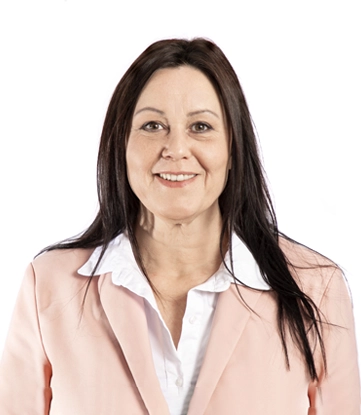
About the Author
With her solid experience as both a graphic designer and art director, Fie sets the visual direction for communication across the companies in DS Gruppen. With a sharp eye for design, she ensures that the visuals support the message and capture attention. Fie also brings many years of experience as both a writer and photographer, including from her time working in publishing and running her own advertising agency. Her background also includes extensive experience with visual communication for both B2B and B2C audiences.
Articles
01 Sep 2026
Articles
06 Aug 2026
Articles
13 Jun 2026
Articles
12 Jun 2026
Articles
11 Jun 2026